





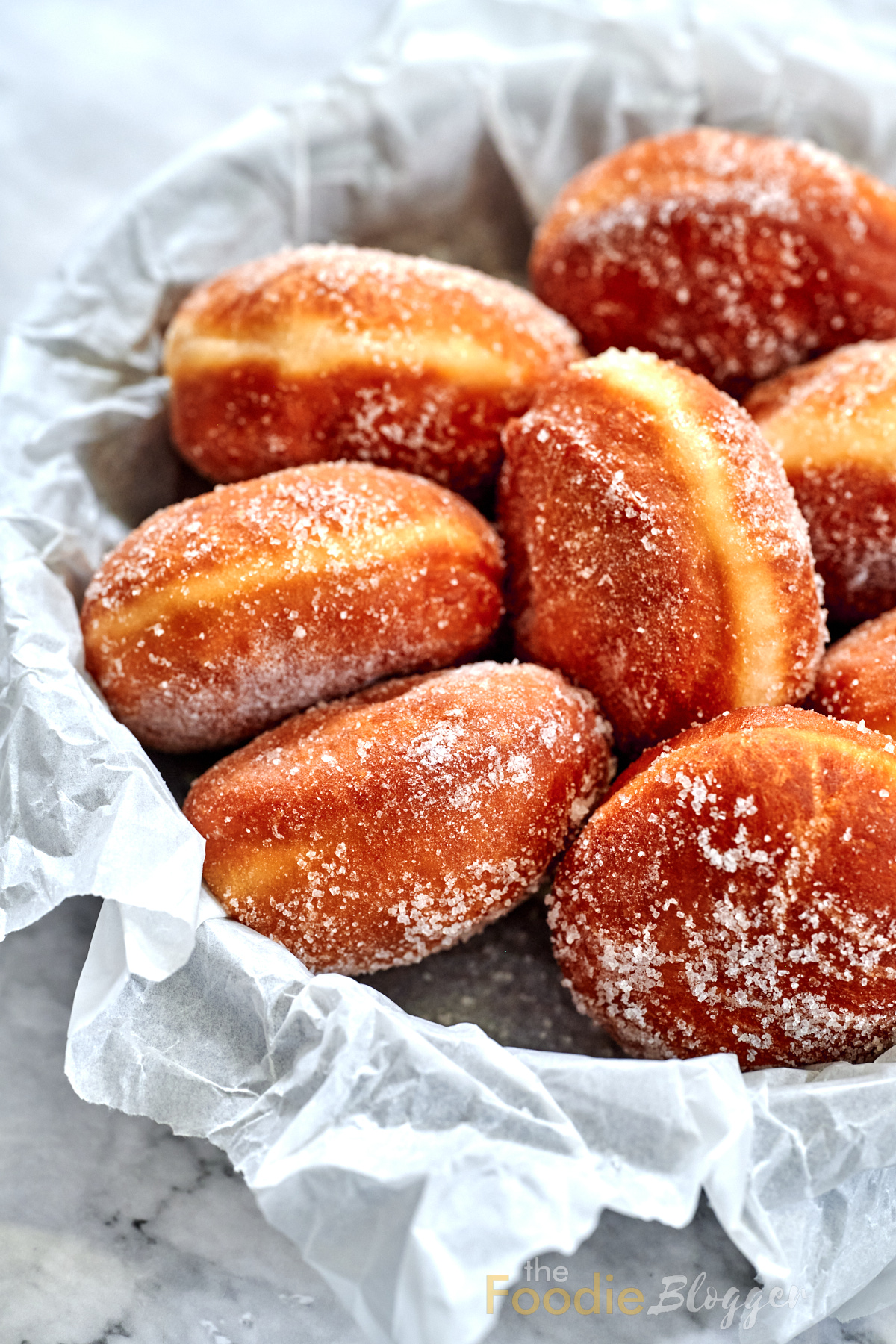
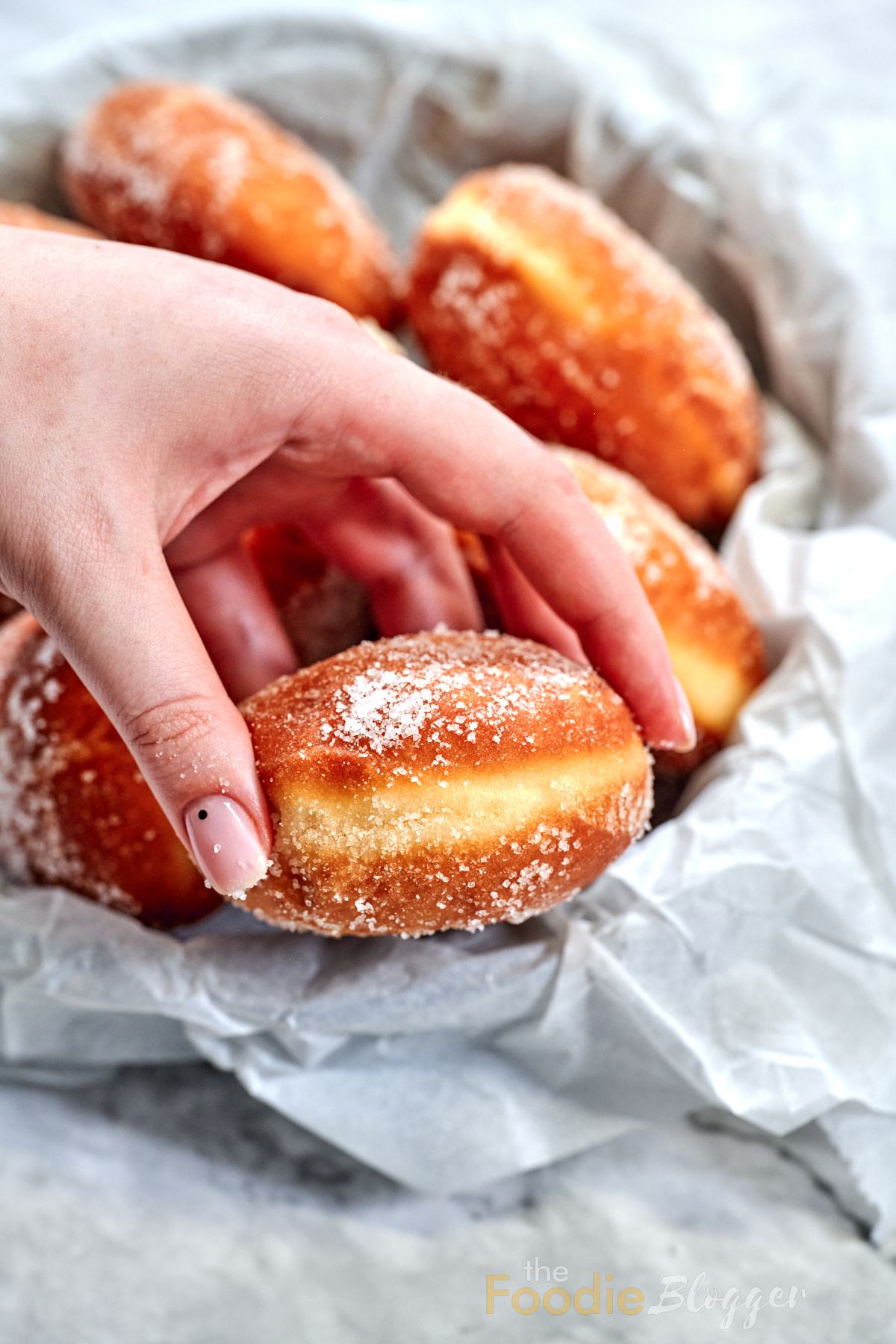
Imagine biting into a warm, fluffy brioche donut you made right in your own kitchen—soft, buttery, and just a little bit magical. These donuts are light as air, with a subtle hint of vanilla and that perfect golden finish.
You don’t need fancy tools or baking experience to make them—just a few simple ingredients and a little time. Whether you’re brand new to baking or already love making sweet treats from scratch, this recipe is easy to follow and so worth it. Once you try them fresh, you’ll wonder why you ever bought donuts in the first place!
Why You Need My Brioche Donuts Recipe
- Simple ingredients – Just good old pantry staples. If you’ve got flour, eggs, butter, and sugar, you’re halfway there. No trips to specialty stores, promise.
- Beginner-friendly – Never made donuts before? You’re in the right place. This dough is super forgiving and the steps are easy to follow. You’ve got this.
- Soft, fluffy texture – That brioche dough? Total game changer. These donuts are light, airy, and pillowy soft with every bite.
- Rich buttery flavor – Between the butter and vanilla, the flavor is rich, warm, and totally melt-in-your-mouth. They’re dangerously good.
- No special equipment needed – No donut maker, deep fryer, or complicated gadgets. Just a stand mixer (or strong arms!) and a pot for frying.
- Make them your own – Keep it simple with sugar, or go wild with jam, cream, chocolate glaze… whatever your donut-loving heart desires.
- Perfect for any moment – Special occasion or slow Sunday morning—these donuts make any day feel a little extra.
- Smells like a bakery – Seriously. Nothing beats that warm, sweet, buttery smell wafting through your kitchen. It’s comfort in the air.
- Share the love – This recipe makes plenty, so grab some coffee, call a friend (or don’t), and enjoy these together while they’re still warm.
What Are Brioche Donuts?
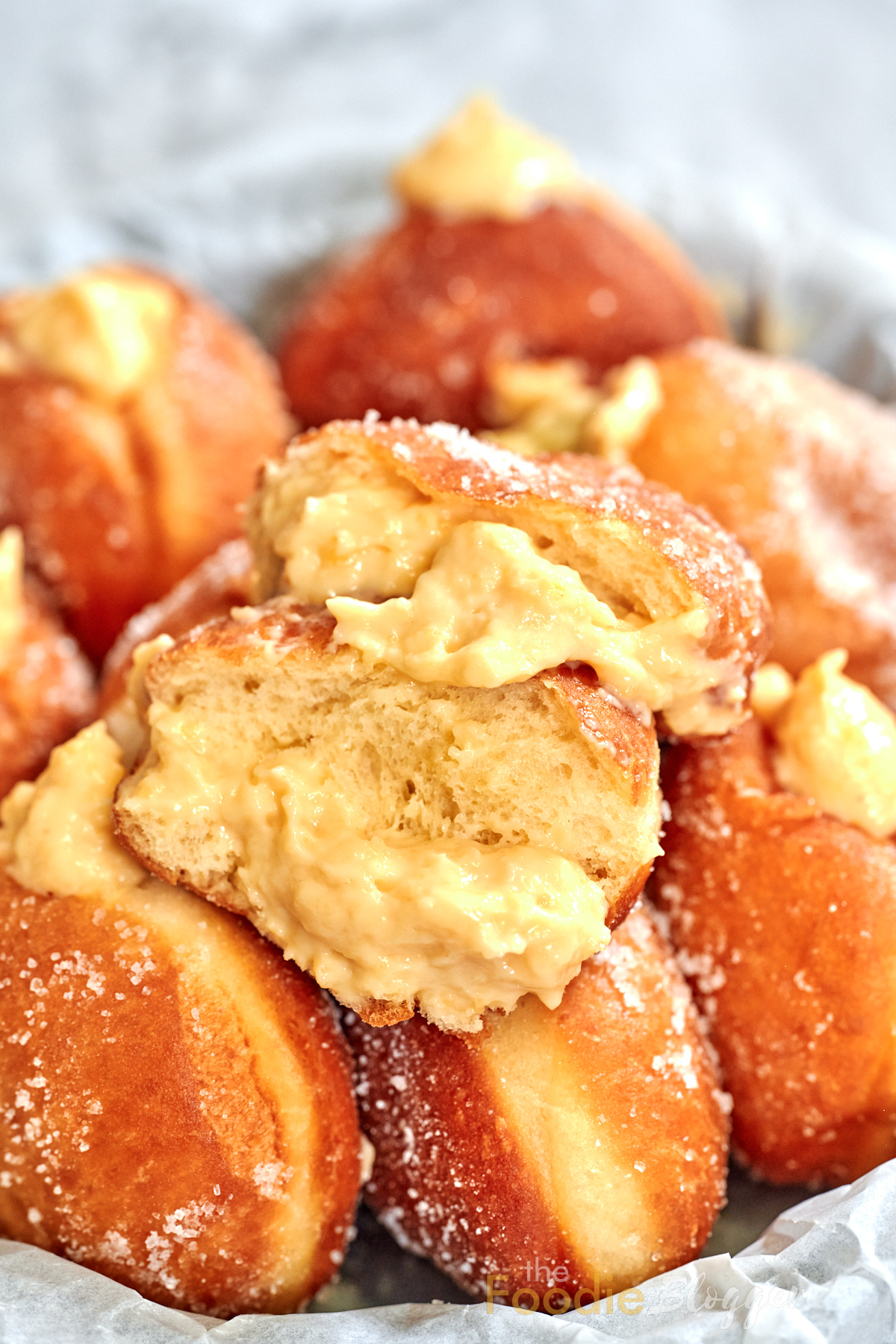
These aren’t your average donuts. Brioche donuts are made with a dough that’s a little fancy—think rich, buttery, slightly sweet, and packed with eggs and butter. It’s the same kind of dough used to make French brioche bread, which means you’re getting something extra soft, fluffy, and just… next level.
Compared to regular donuts, these guys are a little more indulgent (in the best way). The texture is lighter, the flavor is richer, and they’ve got that pull-apart softness that just melts in your mouth.
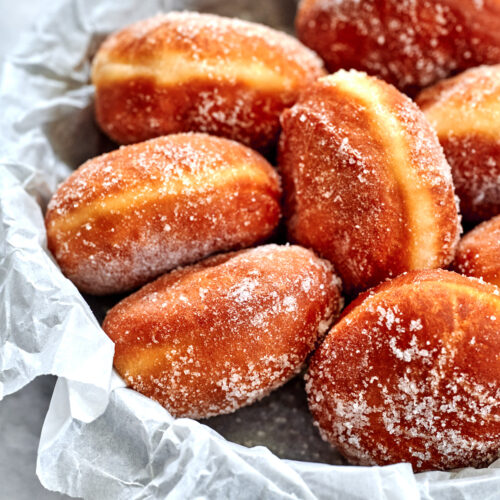
Once fried to golden perfection, you can leave them plain, roll them in sugar, or go wild with fillings—jam, cream, custard, Nutella… whatever makes your heart happy.
Ingredients You’ll Need (and Easy Swaps if You Need Them)
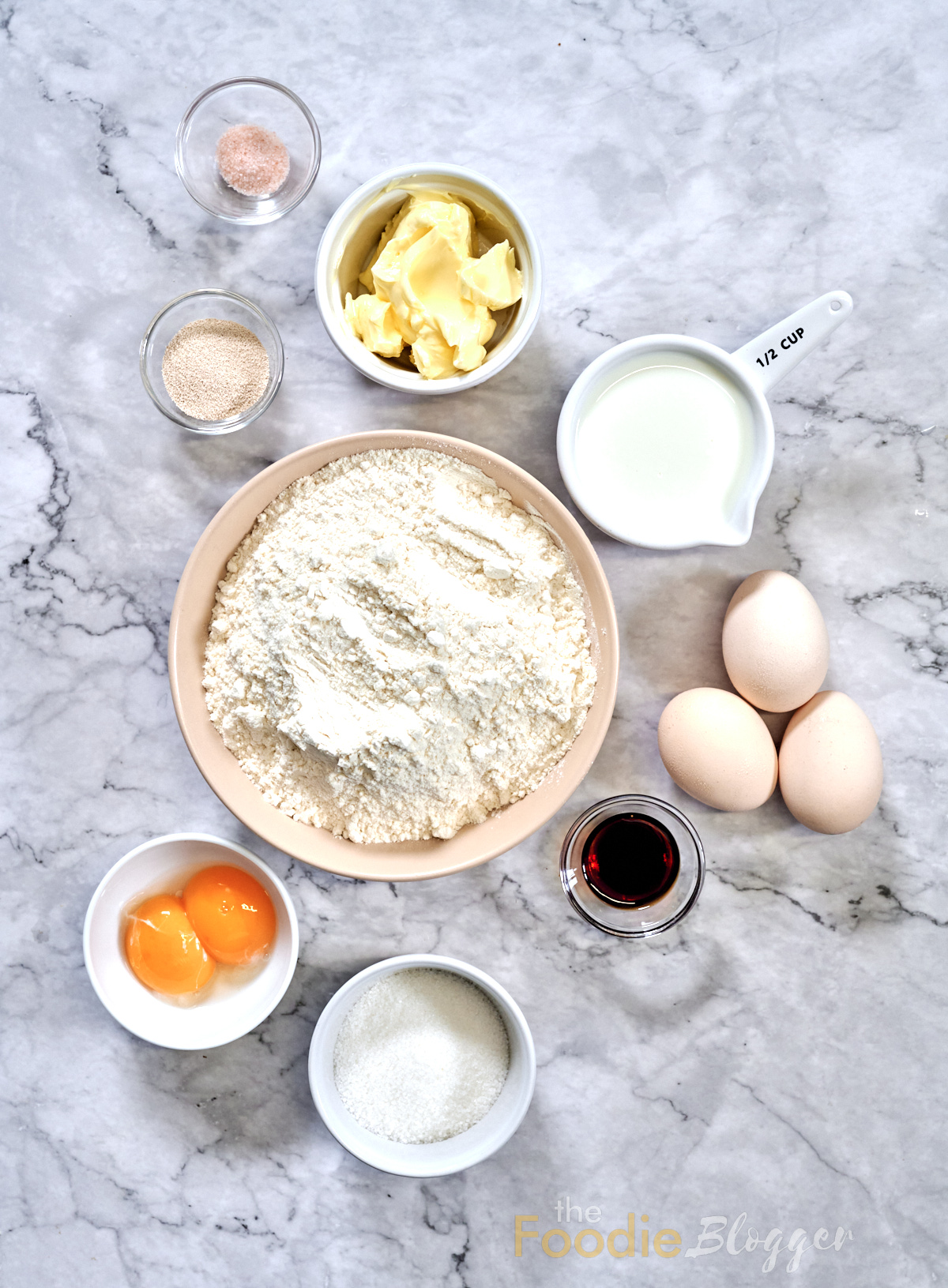
Here’s everything you need to make soft, buttery brioche donuts at home—plus some easy substitution tips in case you’re missing something. Nothing fancy, just simple ingredients that come together to make something pretty special.
- Instant Yeast – This makes the dough rise and gives you that light, fluffy donut texture. You can use active dry yeast instead—just dissolve it in warm milk first and let it sit for 5 to 10 minutes until foamy. Use one packet (2¼ teaspoons).
- Milk – Adds moisture, activates the yeast, and helps create that tender crumb. Whole milk is best, but 2% works too. Full-fat oat or soy milk will work in a pinch—just make sure it’s unsweetened.
- Eggs (large, room temperature) – Add structure, richness, and help the dough rise. If your eggs are cold, let them sit in warm water for a few minutes before using.
- Egg Yolks – These add even more richness and help make the dough extra soft. Use the leftover whites for meringue, scrambled eggs, or freeze them for later.
- Vanilla Extract – Adds a warm, classic flavor that ties everything together. No vanilla? Try almond extract (just a tiny bit—it’s strong), or skip it if you’re using a flavorful filling.
- Granulated Sugar – Sweetens the dough and helps with browning. Swap with light brown sugar if you want a slightly deeper flavor.
- Unsalted Butter – Brings richness and softness to the dough. Make sure it’s softened so it blends in smoothly. If you’re using salted butter, reduce the added salt in the recipe just a bit.
- All-Purpose Flour – Just right for fluffy but structured donuts. No need for bread flour here—it would make them too chewy.
- Salt – Essential for balancing the sweetness and strengthening the dough.
- Neutral Oil (for frying) – Use sunflower, canola, or vegetable oil. Avoid olive oil or anything with a strong flavor—it’ll overpower the donuts.
- Sugar (for dusting) – Roll the donuts in granulated sugar while they’re still warm so it sticks perfectly. You can also use caster sugar or mix in a little cinnamon for a fun twist.
How to Make Brioche Donuts (It’s Easier Than You Think)
Now that we’ve got our ingredients sorted, it’s time to turn them into soft, fluffy, buttery brioche donuts. Don’t worry—I’ll walk you through every step. No stress, no weird techniques, just simple, honest baking.
Make the Dough
Start by gently warming the milk until it’s just lukewarm—around 100°F (38°C). This helps activate the yeast without killing it.
Too hot, and the yeast won’t work.
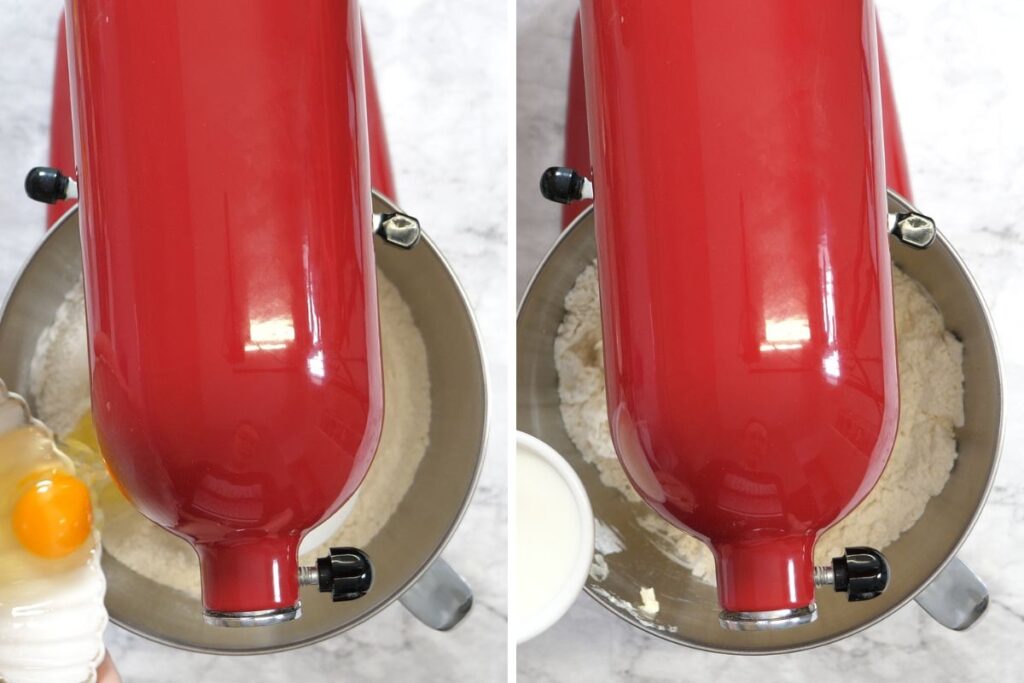
In the bowl of a stand mixer with the dough hook, combine the flour, instant yeast, and salt. Give it a quick mix, then make a well in the center.
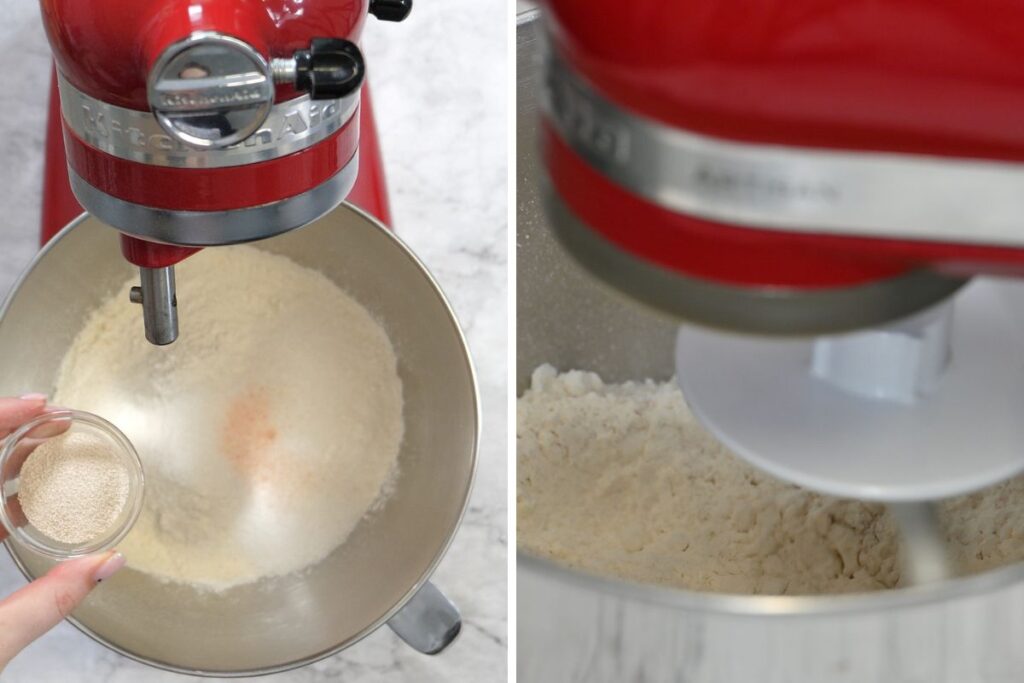
Pour the warm milk into the well, then add the eggs, egg yolks, vanilla extract, and sugar. Start mixing on low speed to avoid a flour cloud, then increase to medium-low as the dough comes together.
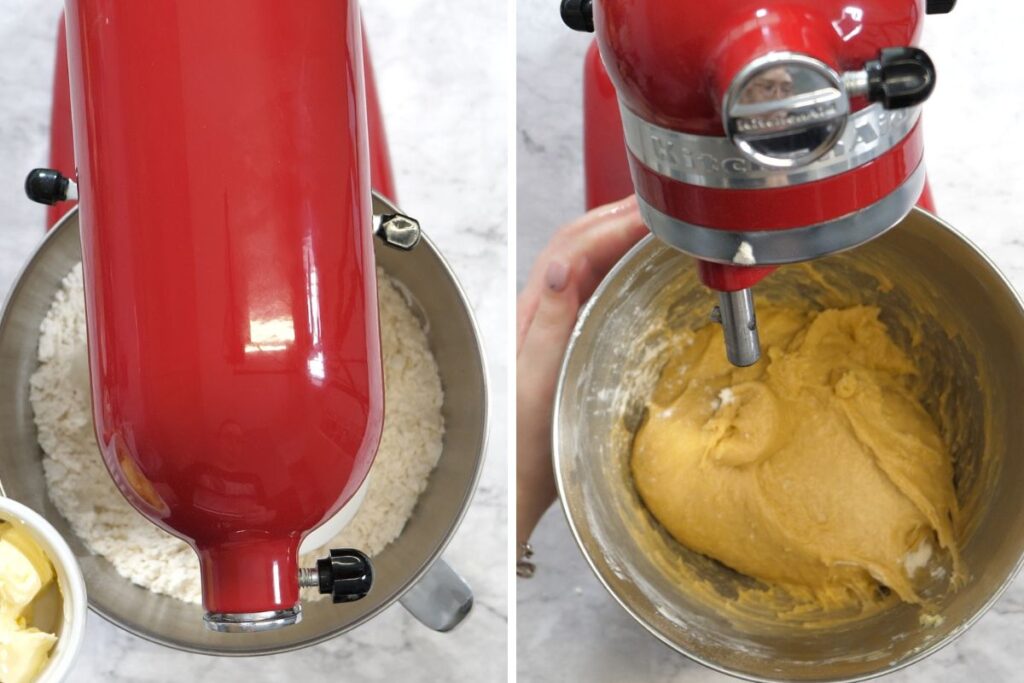
Add the butter in small pieces and continue kneading for 10 to 15 minutes, until the dough is smooth, elastic, and slightly tacky. If it feels too sticky, add a little more flour—one tablespoon at a time.
Let It Rise
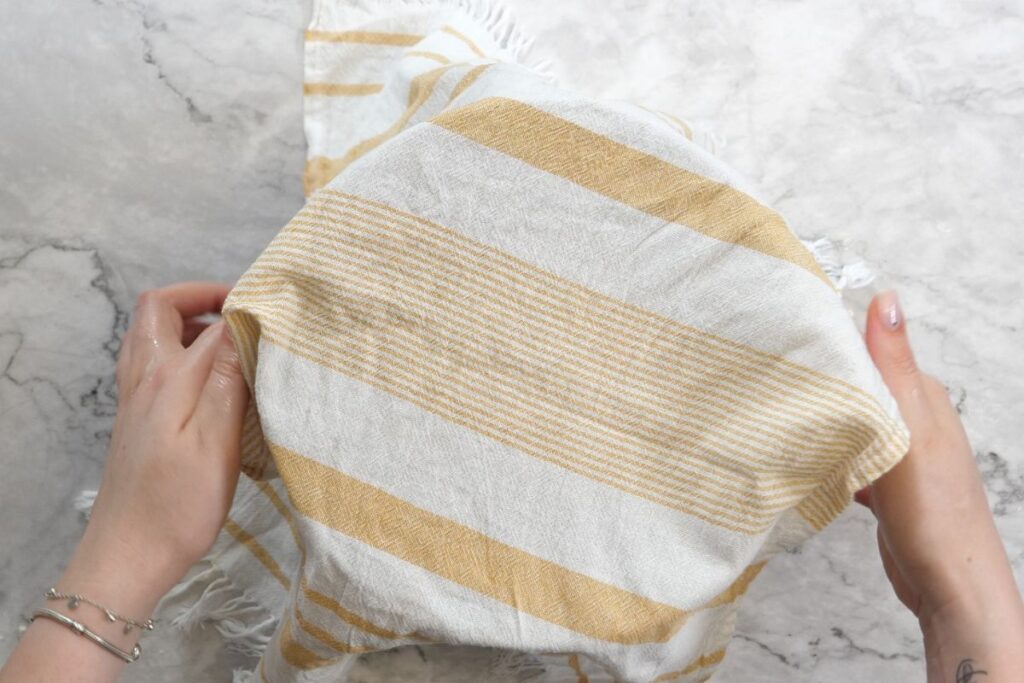
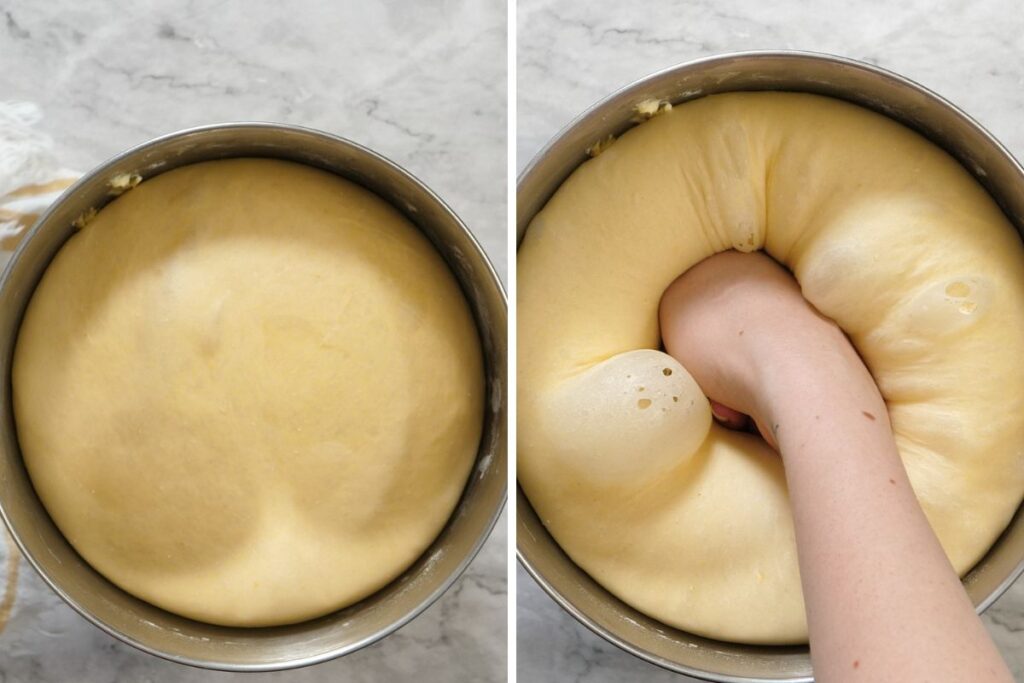
Cover the bowl with a damp tea towel or plastic wrap and set it somewhere warm (around 75°F / 24°C). Let the dough rise for 1 to 1.5 hours, or until it’s doubled in size.
If your kitchen’s chilly, try placing the bowl in a turned-off oven with just the light on—it works like a charm.
Shape and Rest
Turn the dough onto a lightly floured surface and roll it out to about ½ inch thick. Cut out donut shapes using a donut cutter or two round cutters (one big, one small). Reroll scraps gently to use up the dough.
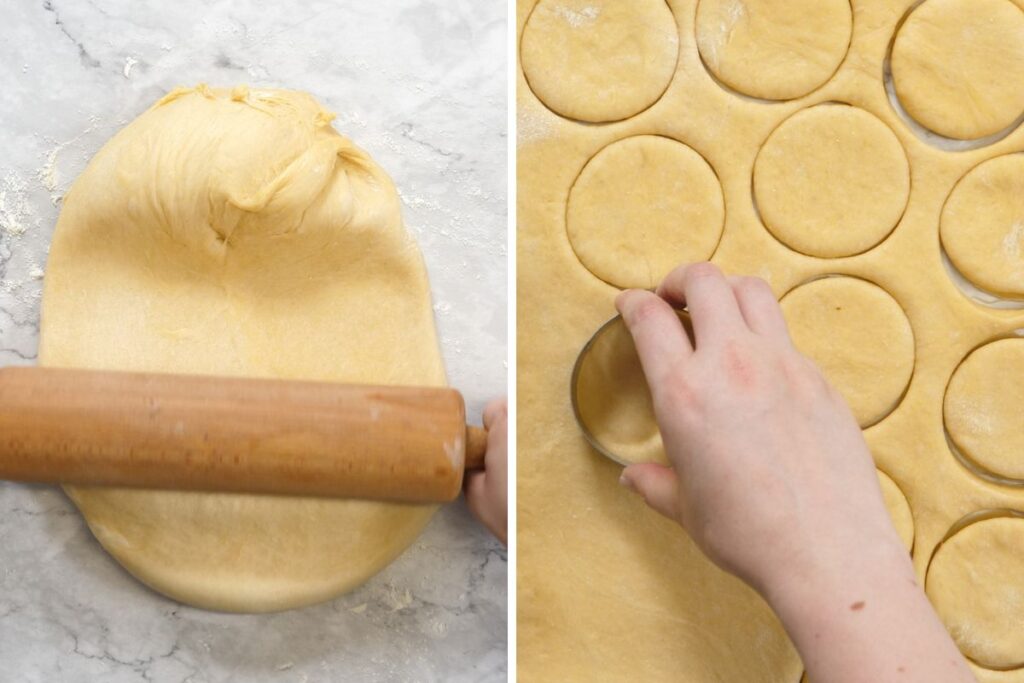
Place the cut donuts on a parchment-lined baking tray, leaving space between them. Cover with a towel and let them rise for another 30 minutes until puffy and light. This second rise is key to getting that soft, airy texture.
Fry the Donuts
Pour oil into a deep pot or fryer and heat it to 350°F (175°C). Use a thermometer—it’s the best way to make sure they cook evenly. If it’s too hot, they’ll burn before they’re cooked inside. Too cool, and they’ll get greasy.
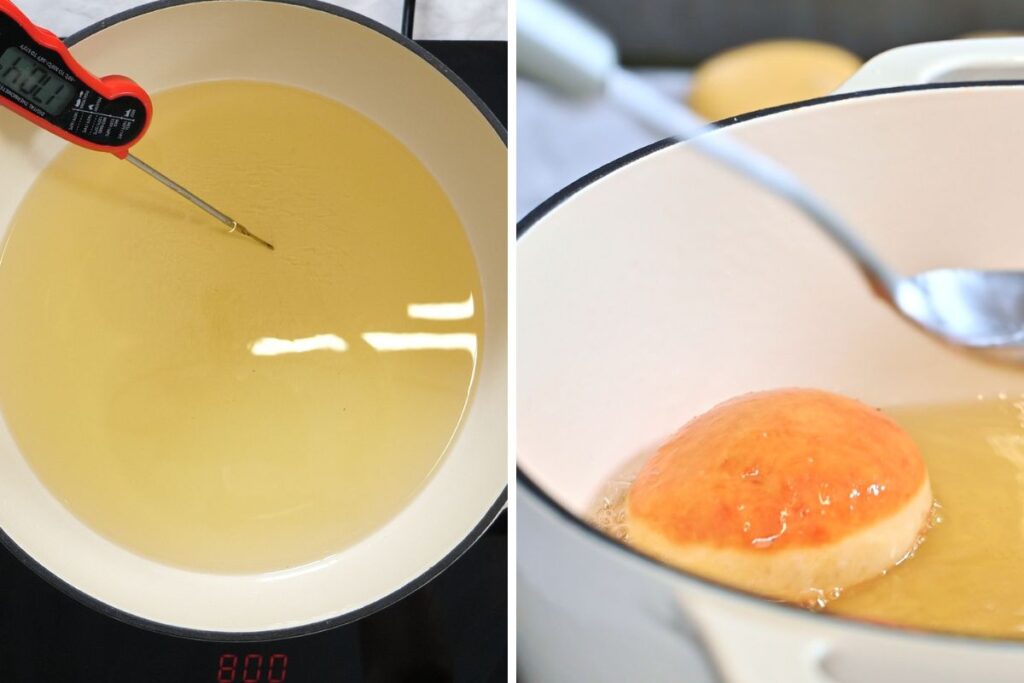
Working in batches, carefully lower the donuts into the oil. Don’t overcrowd the pan—give them space to float and puff.
Fry for about 2 minutes per side, or until golden brown. Use a slotted spoon to lift them out and transfer to paper towels to drain.
Glaze, Fill, or Dust
Let the donuts cool slightly before adding sugar or glaze. Want to fill them with cream or jam? Make sure they’re fully cool before piping in the good stuff so it doesn’t melt.
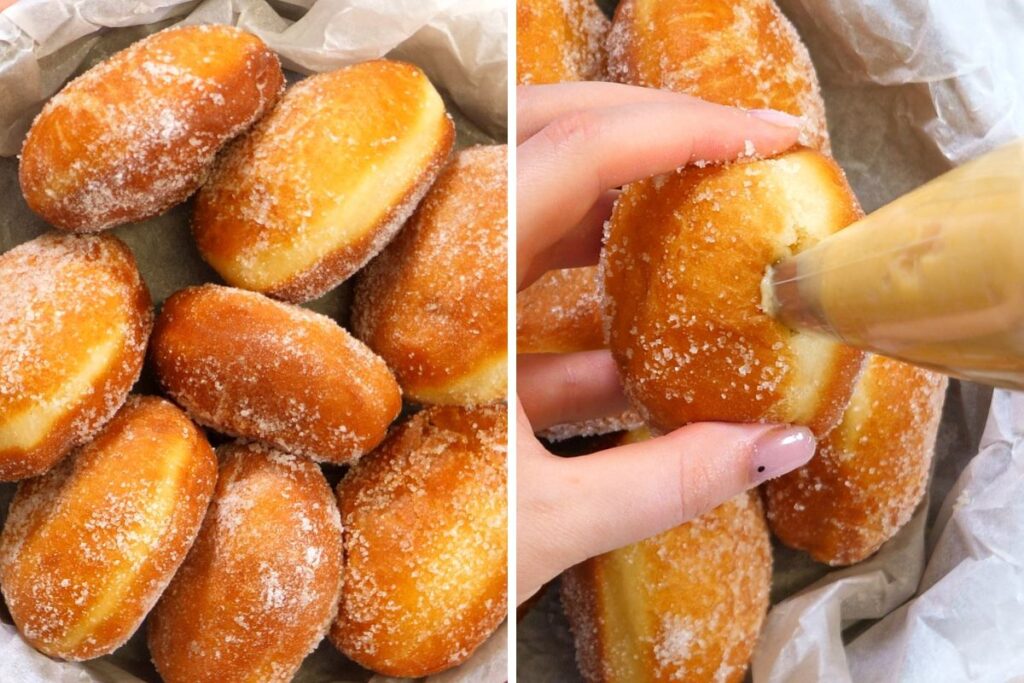
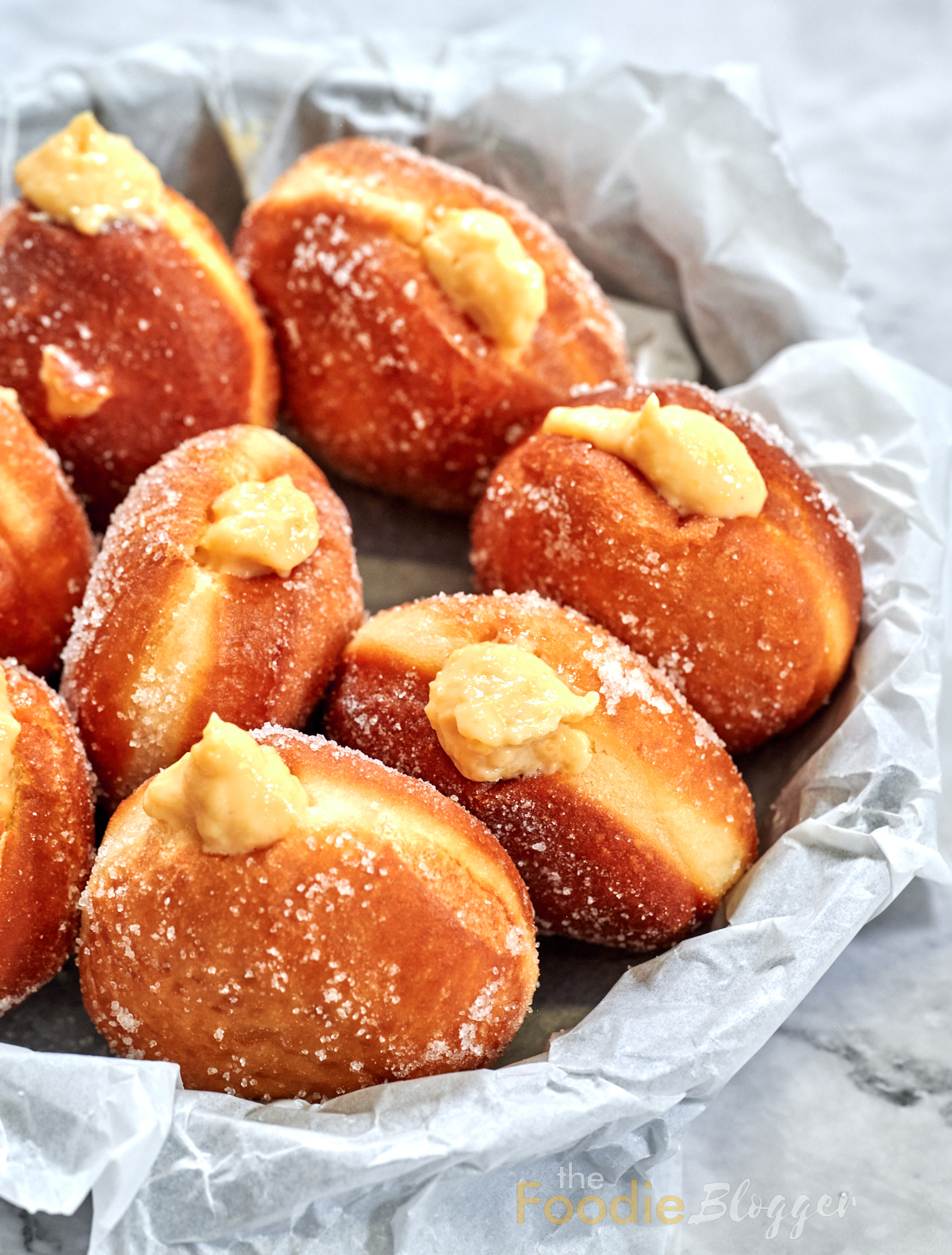
They’re best fresh—soft, rich, and ridiculously good. Great with coffee, even better with friends. Or honestly, just standing in the kitchen with one in each hand. No judgment here.
Troubleshooting: Brioche Donut Edition
Making brioche donuts isn’t hard—but hey, dough has a mind of its own sometimes. If things aren’t going quite to plan, here’s how to fix it:
“My dough isn’t rising.”
First, check your yeast—is it fresh? Expired yeast = no rise.
Also, was your milk too hot? If it’s over 110°F (43°C), it can kill the yeast. Next time, aim for just warm to the touch.
Finally, make sure your dough is resting somewhere warm—cold kitchens can slow things down. Try the oven-with-the-light-on trick if needed.
“The dough is too sticky.”
This dough is meant to be soft and a little tacky, but it shouldn’t be soupy. Add a tablespoon of flour at a time until it pulls away cleanly from the bowl but still feels soft and elastic.
“My donuts are greasy.”
This usually means your oil wasn’t hot enough. Use a thermometer and aim for 350°F (175°C). If it dips too low, the donuts soak up oil instead of crisping.
“They’re browning too fast.”
Oil too hot! Lower the heat and keep checking with a thermometer. Golden brown should take about 2 minutes per side—not 30 seconds.
“They taste too yeasty.”
That usually happens if the dough rises too long or too warm. Stick to the time suggestions, and avoid leaving it to rise overnight unless using the fridge (slow rise = less yeasty taste).
“They look good but taste a bit bland.”
A small pinch more salt can work wonders. Also double-check your vanilla—it’s a simple thing that adds loads of flavor. And don’t skip the coating or filling—it adds that final punch of sweetness and personality.
How to Store Brioche Donuts (And Keep Them Fresh & Fluffy)
Brioche donuts are at their absolute best on the day you make them—soft, fluffy, buttery perfection. But if you’ve got leftovers (or made a big batch—respect), here’s how to store them without losing that magic.
At Room Temperature
- Let the donuts cool completely, then store them in an airtight container or resealable bag.
- They’ll stay soft and tasty for about 1 to 2 days.
- If they’re glazed, place a piece of parchment paper between layers to stop them from sticking together or losing their shine.
In the Fridge (Only If You Must)
- If you need to keep them a little longer, you can refrigerate them, but it’s not ideal.
- Store in an airtight container and they’ll last up to 5 days—but be aware: the texture will firm up a bit and they won’t be quite as soft.
Freezing Brioche Donuts
- Want to save some for later? Freeze them!
- Wrap each donut individually in plastic wrap, then place them in a freezer-safe bag or container.
- They’ll keep well in the freezer for up to 3 months. For best results, freeze unglazed or unfilled.
Thawing and Reheating
- Let frozen donuts thaw at room temperature.
- To bring back that just-made freshness, pop them in a 350°F (175°C) oven for about 5 minutes.
- If they’re plain, dust with sugar or fill them after reheating so everything stays fresh and fluffy.
More Easy Dessert Recipes
Brioche Donuts
Ingredients
- 2 ½ tsp instant yeast
- ½ cup milk
- 3 large eggs room temperature
- 2 large egg yolks
- ½ tsp vanilla extract
- ⅓ cup granulated sugar
- ½ cup unsalted butter softened and cut into pieces
- 4 ⅓ cups all-purpose flour
- ½ tsp salt
- Oil for frying
Instructions
- Warm the milk slightly until it’s lukewarm (not hot) to help activate the yeast.
- In the bowl of a stand mixer fitted with the dough hook attachment, add the flour, instant yeast, and salt. Mix briefly to combine.
- Pour the warm milk over the dry ingredients. Add the eggs, egg yolks, vanilla extract, and granulated sugar. Mix until a shaggy dough begins to form.
- Turn the mixer to medium-low speed. With the mixer running, gradually add the butter a few pieces at a time. Continue kneading the dough for 10–15 minutes, or until it becomes smooth, elastic, and slightly tacky.
- Cover the bowl with plastic wrap or a clean kitchen towel. Let the dough rise in a warm, draft-free spot for 1 to 1½ hours, or until doubled in size.
- Turn the risen dough onto a lightly floured surface. Roll it out to about ½-inch thickness. Use a donut cutter or two round cutters (one large, one small) to cut out the donut shapes. Re-roll the scraps as needed.
- Place the cut donuts on a parchment-lined baking sheet. Cover with a towel and let them rise for another 30 minutes, or until slightly puffy.
- Heat oil in a deep fryer or heavy-bottomed pot to 350°F (175°C). Use a thermometer to keep the temperature steady for even frying.
- Working in batches, carefully lower the donuts into the hot oil. Fry for about 1½ to 2 minutes per side, or until golden brown. Avoid overcrowding the pan.
- Transfer the fried donuts to a paper towel–lined tray to drain excess oil. Let them cool slightly before coating with powdered sugar, dipping in glaze, or filling with your favorite cream or jam.
- Enjoy your homemade brioche donuts fresh, warm, and fluffy—just like from a bakery!
Video
Nutrition Information
The nutritional information provided on this website is intended to be a helpful reference and convenience for our users. It is offered as a courtesy and is based on data primarily sourced from the USDA Food Composition Database.
We kindly request that you do not take screenshots or copy/paste our recipes to social media or other websites. We would greatly appreciate it if you could instead share a link to our recipe along with a photo.